
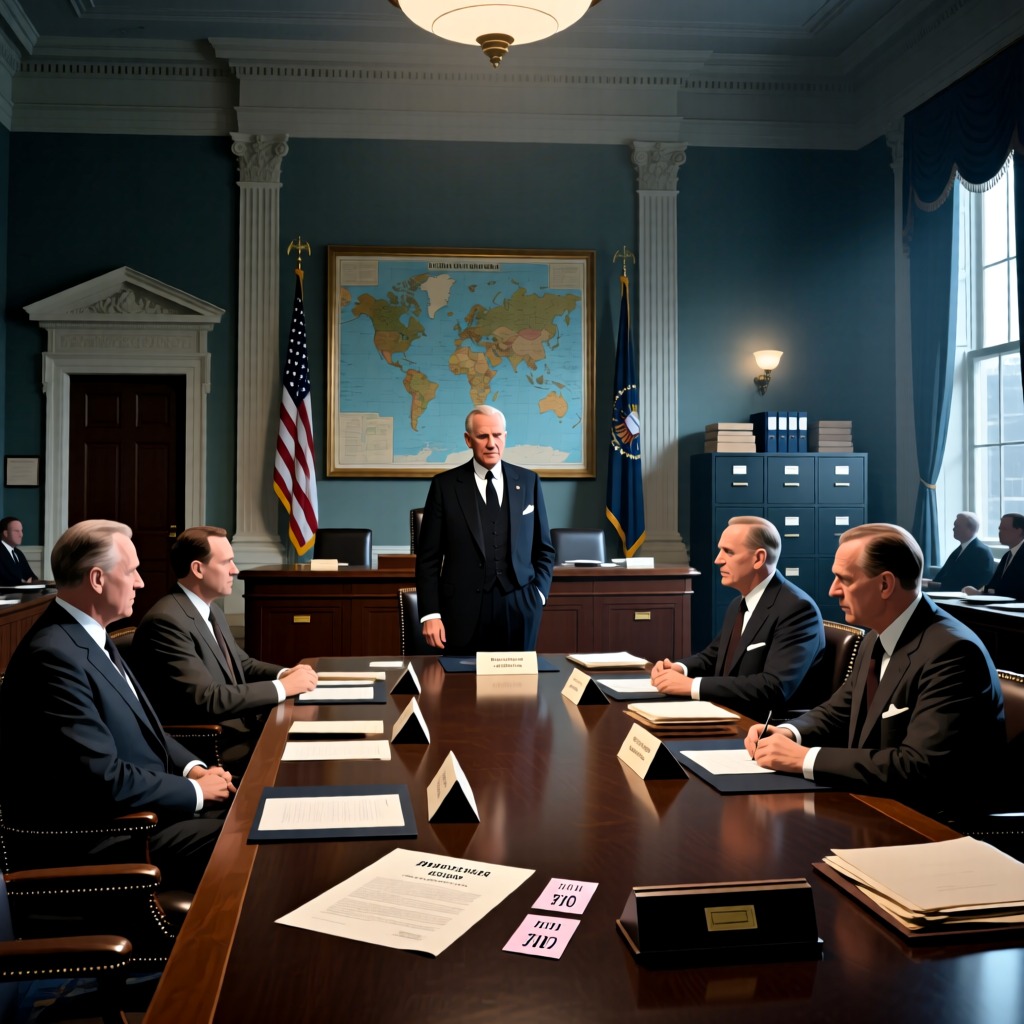

The mystery of the League of Nations: why America was absent.
In 1920, the League of Nations was established with the aim of maintaining peace and security. However, the United States did not join, and the reasons behind this decision are widely debated. Some believe that political party struggles played a significant role, as the chairman of the Senate Foreign Relations Committee, Henry Cabot Lodge, and his colleagues obstructed the treaty due to partisan interests, ultimately preventing the U.S. from ratifying the League of Nations covenant. President Wilson's insistence on principles and refusal to compromise also significantly influenced Congress's decision.
However, many scholars argue that the American public was generally weary of international conflicts at the time and preferred to focus on domestic peace and development. Liberals, journalists like Walter Lippmann, and many who had experienced World War I were reluctant to become entangled in European affairs again. The Republican Party and local pacifists shared similar concerns, fearing that the League would restrict America's freedom of action. Therefore, the U.S. Congress's refusal to join the League of Nations seemingly reflected public sentiment, but the specific reasons warrant further investigation.