
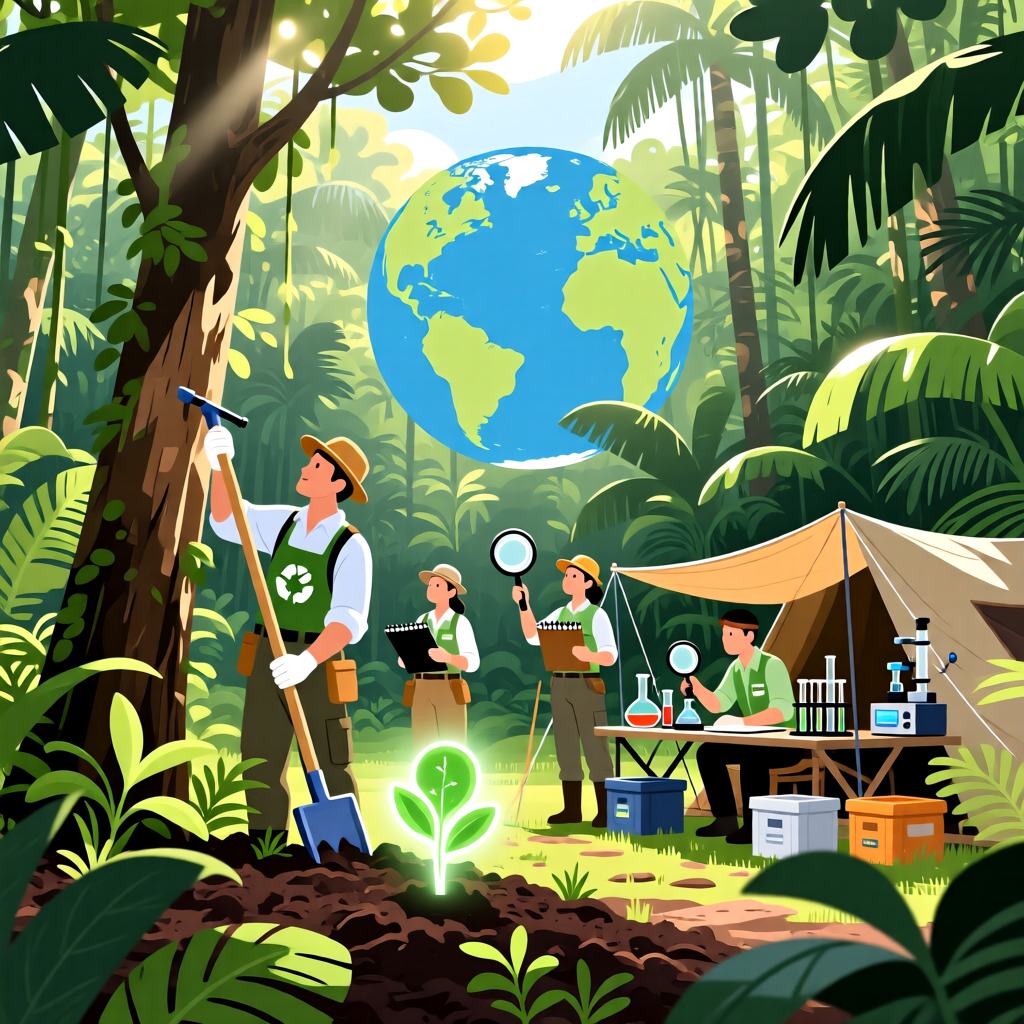

People often worry about the depletion of oxygen, and this concern is not unfounded. With the acceleration of industrialization, carbon dioxide levels have significantly increased, exacerbating the "greenhouse effect" and potentially threatening life on Earth. However, nature possesses unique mechanisms to maintain the balance of oxygen. Rock weathering, photosynthesis by green plants, and the metabolic processes of microorganisms all contribute silently to this balance. These natural phenomena work together to sustain the proportion of oxygen in the Earth's atmosphere, keeping it at a relatively stable level.
Rock weathering is a crucial process. Every year, calcium carbonate in rocks is transformed into calcium bicarbonate under the influence of carbon dioxide and water, which is then carried to the oceans by rivers, ultimately forming new limestone. During this process, a significant amount of carbon dioxide is consumed, thereby reducing its concentration in the atmosphere. Additionally, green plants absorb carbon dioxide and release oxygen through photosynthesis, which is the primary source of oxygen on Earth. Every green leaf is quietly engaged in this process, providing the essential oxygen needed for life on our planet.
Scientists are continually exploring ways to reduce carbon dioxide emissions and improve resource utilization. Reducing deforestation and protecting green vegetation have become key to maintaining the balance of oxygen on Earth. If we can utilize natural resources wisely and minimize environmental destruction, the supply of oxygen on Earth will be secured. Conversely, excessive development and destruction may hinder the mechanisms of oxygen production, leading to a series of ecological disasters.
Ultimately, it all depends on human choices and actions. Only when we recognize the importance of this issue and take action can we ensure that the oxygen on Earth does not run out.