

On a stormy night in a small village in northern India, a shocking event unfolded: a flock of birds flew towards the villagers, fell around the torches, and ceased to fly away, ultimately dying. Each autumn, during the season of more frequent storms, similar mass 'suicide' events involving birds occur in this specific jungle area, leaving scientists puzzled.
Equally mysterious was the mass death of 835 orcas in 1946 at a beach in Mar del Plata, Argentina; in 1976, thousands of squids beached themselves in Cape Cod, USA; and in 1980, 58 giant whales died on the beaches of New South Wales, Australia. These incidents sparked extensive discussions among scientists. Some believe the whales encountered sharks or other threats, while others think it was due to stranding, and some speculate that confusion caused by ultrasonic reflections could be to blame. Despite various hypotheses, the truth remains elusive.
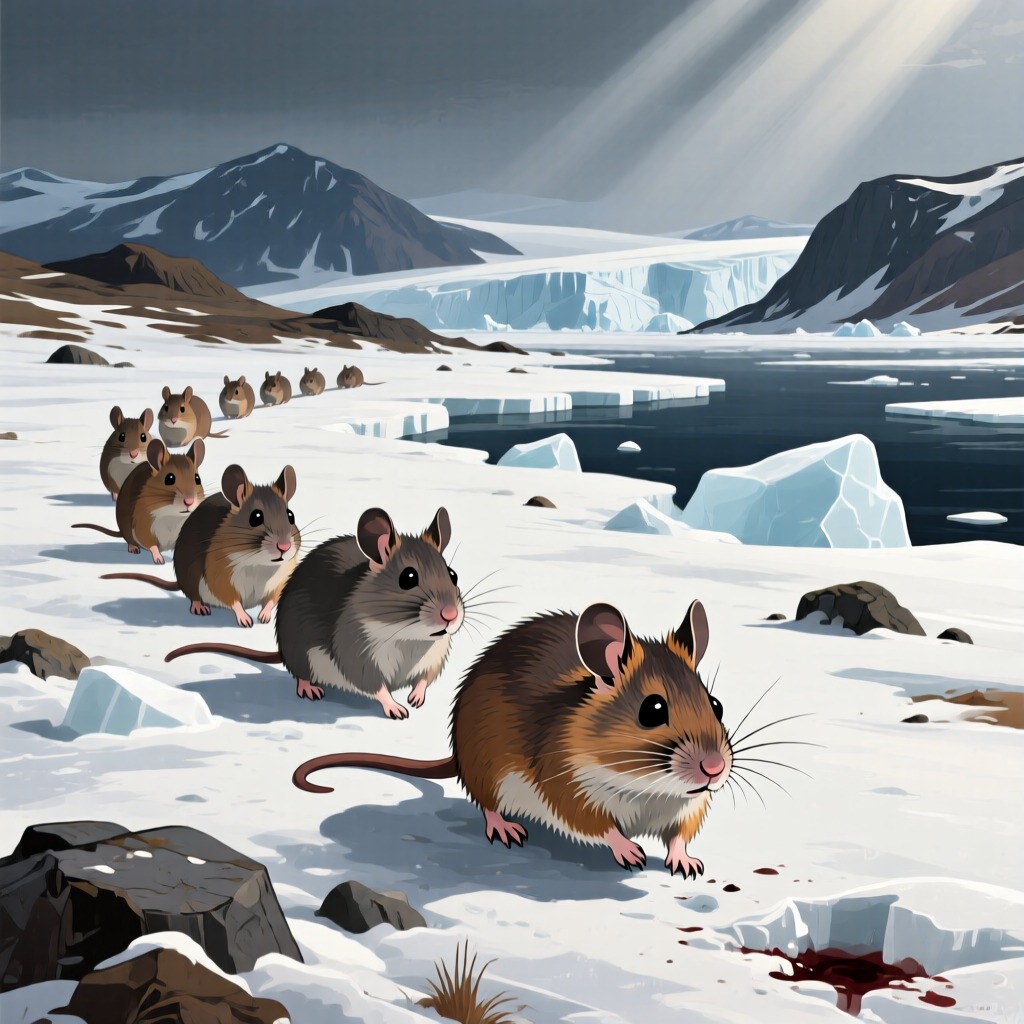
The behavior of lemmings is particularly perplexing, as they have been known to jump into the sea en masse, a phenomenon that has persisted from ancient times to the present. Scientists suggest it may be a survival instinct or a form of 'population control,' but these claims lack solid evidence. In 1975, prior to a major earthquake in Haicheng, China, a large number of winter snakes committed mass suicide, yet the exact reasons remain unknown. Additionally, the fear of fire displayed by scorpions is baffling; during a fire, they have been observed curling their tails to sting their own backs, leading to their demise.
These suicide events in the animal kingdom continue to perplex scientists. Although numerous theories have been proposed, the true answers remain shrouded in mystery.
