

In 1981, an attack occurred on the destroyer "Marquis of Ensenada" in a port in northeastern Spain. The attackers were guerrilla fighters from the Basque nationalist movement, expressing their desire for self-determination through this act. The Basque people inhabit northeastern Spain and southwestern France, characterized by their unique physical traits and language. Their language is the only one in modern Western Europe that does not belong to the Indo-European family, and it continues to baffle linguists to this day.
Basque is complex and difficult to learn, with numerous dialects; there are officially recognized eight dialects, with as many as 25 sub-dialects. It is said that a demon lived among the Basques for seven years and could only say "yes" and "no," which serves as a vivid anecdote. Since the 19th century, scientists, linguists, and archaeologists have proposed various theories regarding the origins of the Basque language, suggesting connections to ancient Egyptians, Hittites, Phoenicians, Ligurians, Native Americans, Eskimos, and even speculating that the Basques are descendants of survivors from Atlantis. However, the most common theory posits that the Basques may be descendants of the ancient Iberians or Celtic Iberians, North African Berbers, or peoples from the Caucasus region between the Black and Caspian Seas.
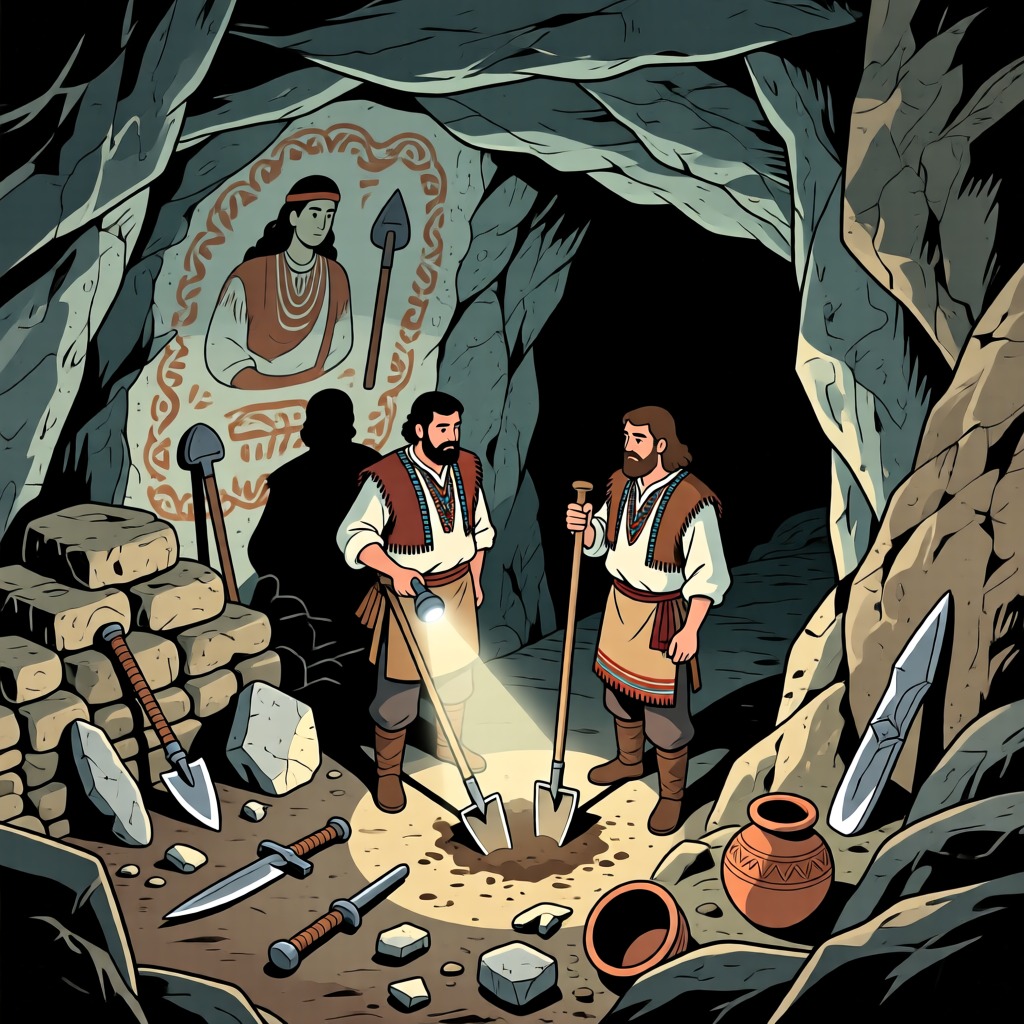
In the early 19th century, an archaeologist discovered a skull of the Caucasian race in the Basque region of France, but this was later found to be untrue. In the 1860s, French archaeologist Dr. Broca found a skull in the Basque region of Spain that was significantly different from modern Basque people, seemingly supporting the idea that the Basques are descendants of indigenous European peoples. In 1918, De Aranzadi and Barandiaran discovered some Paleolithic weapons and drawings in the cave of Saint Timon in the Cortesubi area of northeastern Spain, indicating that the region was once inhabited by primitive hunting communities. In 1936, two Paleolithic skulls were found in the Urtia cave, further confirming that the Basques may be indigenous to the area.