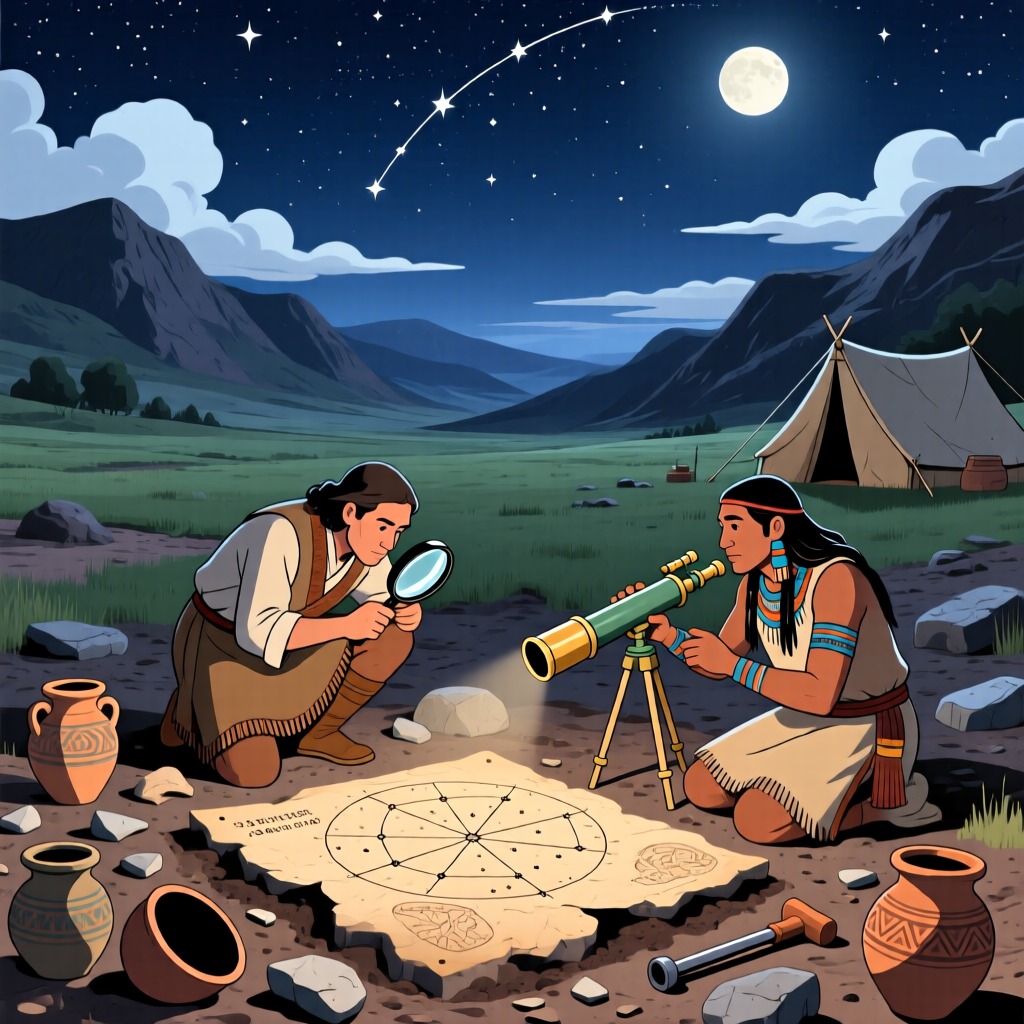
The question of where humans originated has been the subject of extensive research by scientists and anthropologists, yet a definitive answer remains elusive. Some believe that humans originated from extraterrestrial sources, while others argue that we evolved from ancient apes. There are also theories suggesting that humans have dual ancestors: ancient apes and marine life. To study human origins, it is essential to understand the evolutionary journey of humanity, which spans millions of years. Using carbon-14 dating, researchers estimate that modern humans are the product of a highly developed civilization that existed between 30,000 and 40,000 years ago. Throughout Earth's history, there have been numerous catastrophic events that led to the destruction and rebirth of ancient civilizations. Some scientists speculate that Earth may have experienced multiple cycles of civilization, with advanced intelligent life re-emerging after each extinction. Furthermore, research by NASA indicates that impacts from small celestial bodies could have caused mass extinctions and subsequent rebirth of life. Archaeologists in South America have discovered an ancient star map depicting the constellation distribution from 27,000 years ago, as well as a stone carving from 30,000 years ago that resembles a telescope. These findings raise further questions about human origins, including the possibility of extraterrestrial involvement in the evolution of humanity.
The Mystery of Human Origins