
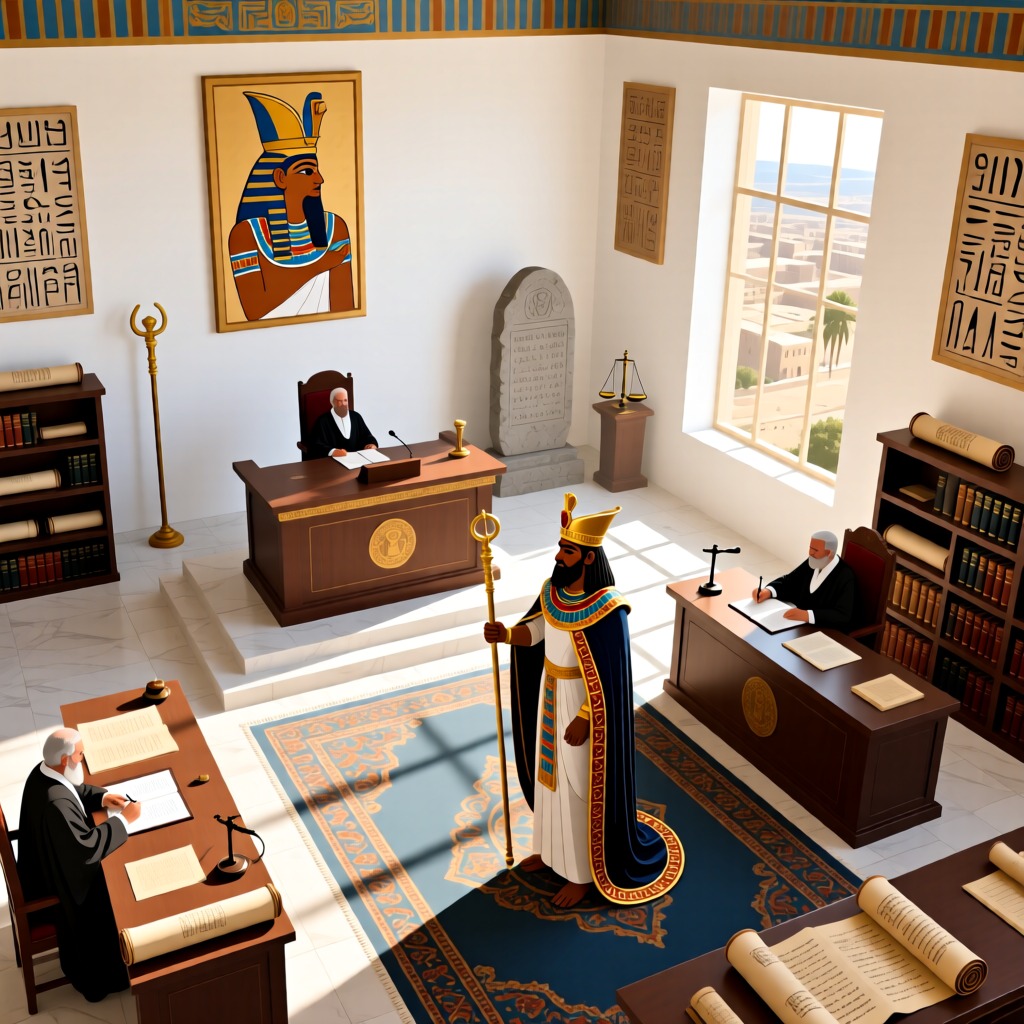

Four thousand years ago in ancient Babylon, sunlight poured over the banks of the Euphrates River, where judges and scribes diligently recorded every detail in the courtroom. A case concerning the quality of a house was being heard, and the builder had to admit the facts. The judge reviewed early legal documents and ultimately ruled that the builder must reconstruct the house. This judgment reflects the principles of fairness and justice, which still seem reasonable even by modern standards.
The Hammurabi Code consists of 282 laws and is a product of the Babylonian Empire's prosperous period. It is not only a collection of laws but also the cornerstone of social order. In that era, without a unified legal system, normal commercial activities were difficult to conduct. The establishment of the Hammurabi Code facilitated smooth business transactions and protected legitimate interests.
The Hammurabi Code has survived to this day, with the most complete version discovered in 1901 by a French archaeologist on a large black stone. This stone, standing 2.5 meters tall, is inscribed with 49 columns of cuneiform writing that detail the contents of the code. Many of the judgments in the code may seem excessively harsh by today's standards, but they reflect the social context and values of the time. For instance, the retaliatory punishments for injuries and the differing treatment of slaves and free individuals illustrate the limitations of that era. Nonetheless, it provides invaluable reference for future generations.