
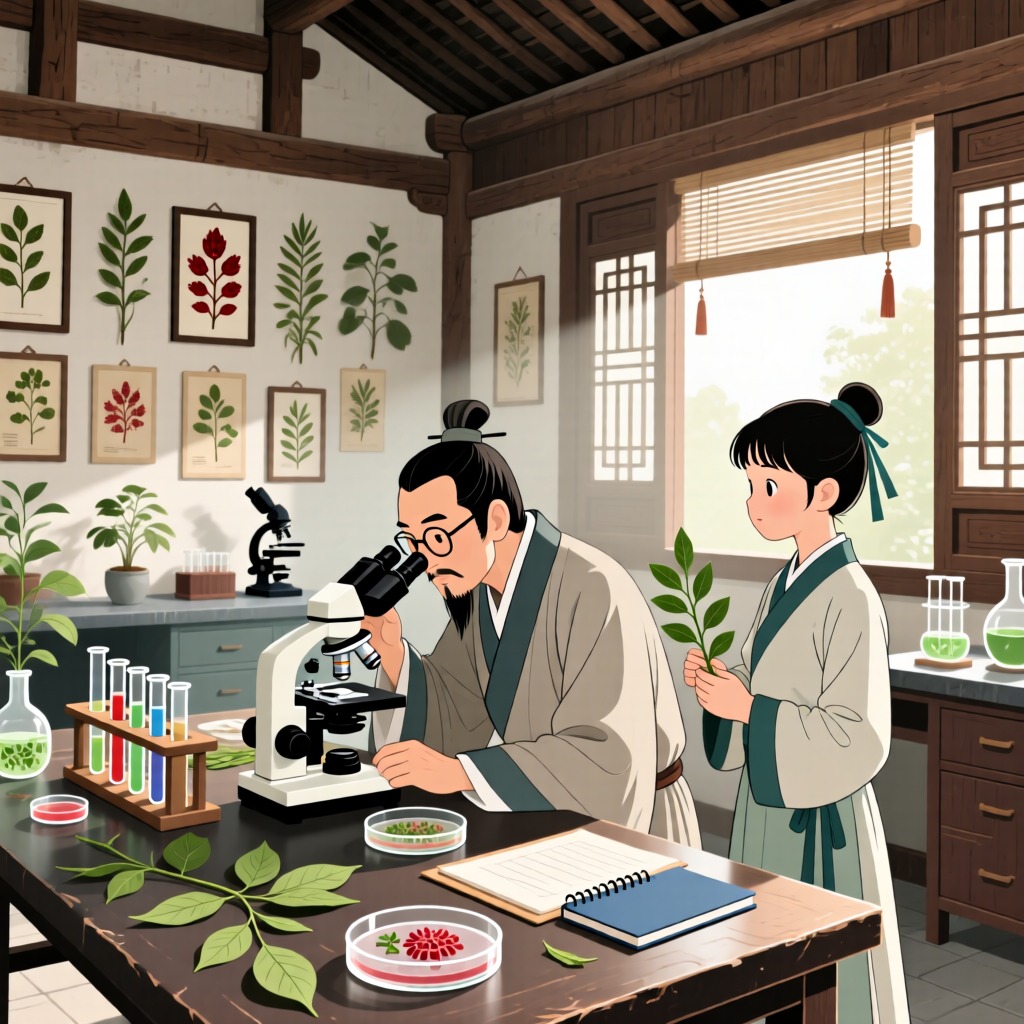

Did you know that plants also have blood types? This astonishing fact hides a scientific mystery. While plants do not have blood or red blood cells, they can produce substances similar to human blood types—known as blood type sugars. This discovery not only overturns traditional perceptions of plants but also opens new avenues for plant research.
The earliest discoverer was Shigeru Yamamoto, a forensic scientist at the Japanese Police Research Institute. While investigating a murder case, he unexpectedly found an AB blood type reaction in buckwheat husks found in a pillow. After extensive experimentation, he confirmed that 79 types of plants possess blood types. Among them, type O is the most common, while types B and AB are rarer. This discovery attracted the attention of scientists worldwide, who began to delve into the study of plant blood types.
Researchers found that the blood type sugars within plants determine their blood types. These blood type sugars are strikingly similar to human blood type substances, with type O blood, type A blood, and type B blood being determined by fucose, N-acetyl-D-galactosamine, and D-galactose, respectively. Plants also contain these substances, particularly in red fruits where their concentrations are higher. The levels of blood type substances in plants gradually increase during the maturation of fruits, peaking when they are fully ripe.
The study of plant blood types not only provides a new method for plant classification but also plays a crucial role in criminal investigations. For instance, in a traffic accident case, scientists detected blood traces on the vehicle's tires and discovered that, in addition to the victim's type O blood, there were also traces of type B and AB blood, indicating that the vehicle may have struck other individuals. This finding provided key evidence for the proper resolution of the case.
As research progresses, scientists have discovered that plant blood type substances may have multiple functions, including signal transmission, energy storage, and protection of the plant body. The future application prospects of plant blood types are vast, with potential roles in various fields.