
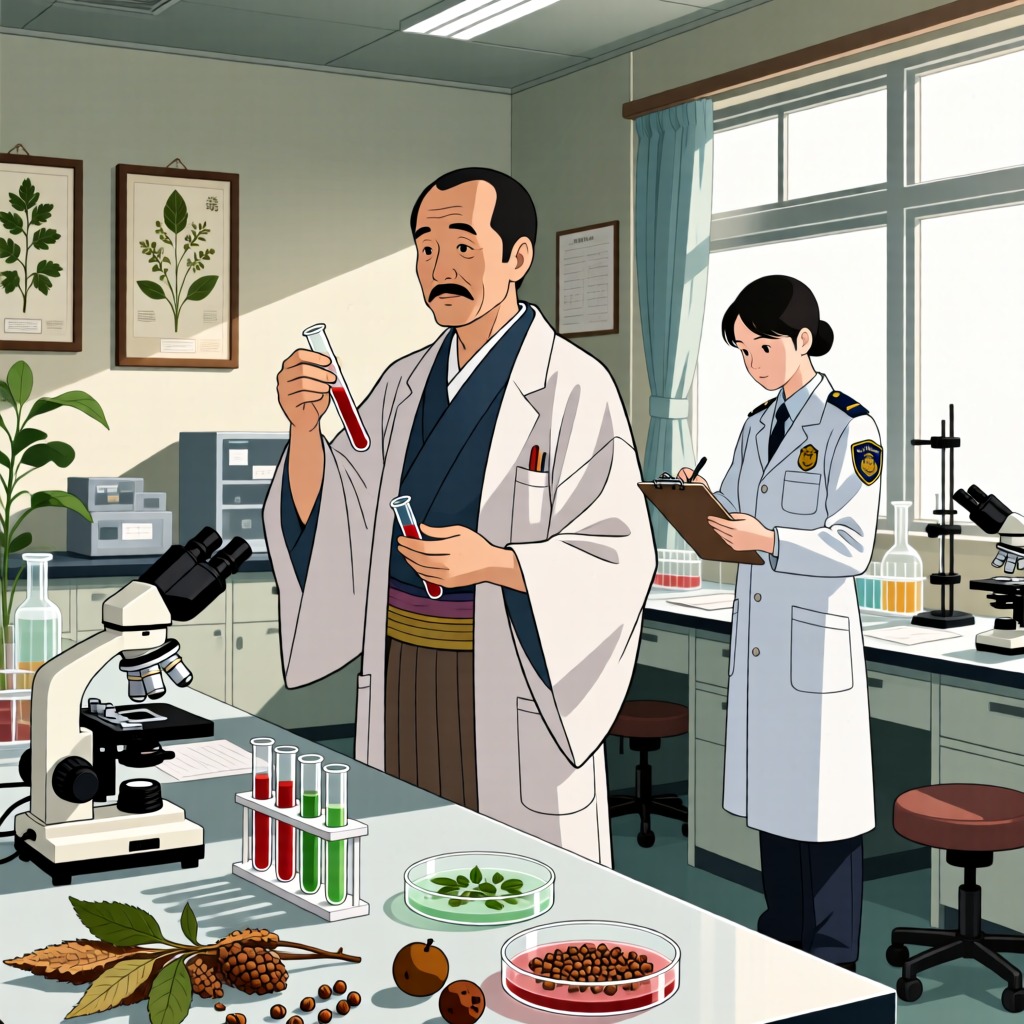

Do plants have blood types? It's a fascinating question that challenges our understanding of life. While we know that humans and animals have different blood types, it may surprise you to learn that plants do too! Although plants do not have red blood or red blood cells, the concept of blood types in plants has intrigued scientists and led to extensive research.
The idea that plants possess blood types was first proposed by forensic expert Shigeru Yamamoto from the Japanese National Police Agency. During a murder investigation, he discovered a faint AB blood type reaction on a pillow. By conducting blood type testing on the buckwheat husk inside the pillow, Yamamoto was astonished to find that it exhibited characteristics of AB blood type. He subsequently tested various plants and found that 79 species showed blood type reactions, with type O being the most common.
Plant blood types are determined by the presence of specific blood type sugars within them, which are strikingly similar to those found in humans. Researchers have discovered that most seeds and fruits contain these blood type substances, which increase during the maturation and development of the fruit, eventually reaching a peak. The discovery of plant blood types not only aids in the classification and hybridization of plants but can also assist in criminal investigations. For instance, analyzing the food in a victim's stomach can help identify the type of food consumed, providing crucial clues for solving cases.
Today, scientists continue to explore the mysteries of plant blood types, seeking to uncover their roles in the life of plants. While the enigma of plant blood types has not yet been fully unraveled, this discovery has already shown potential for practical applications.