
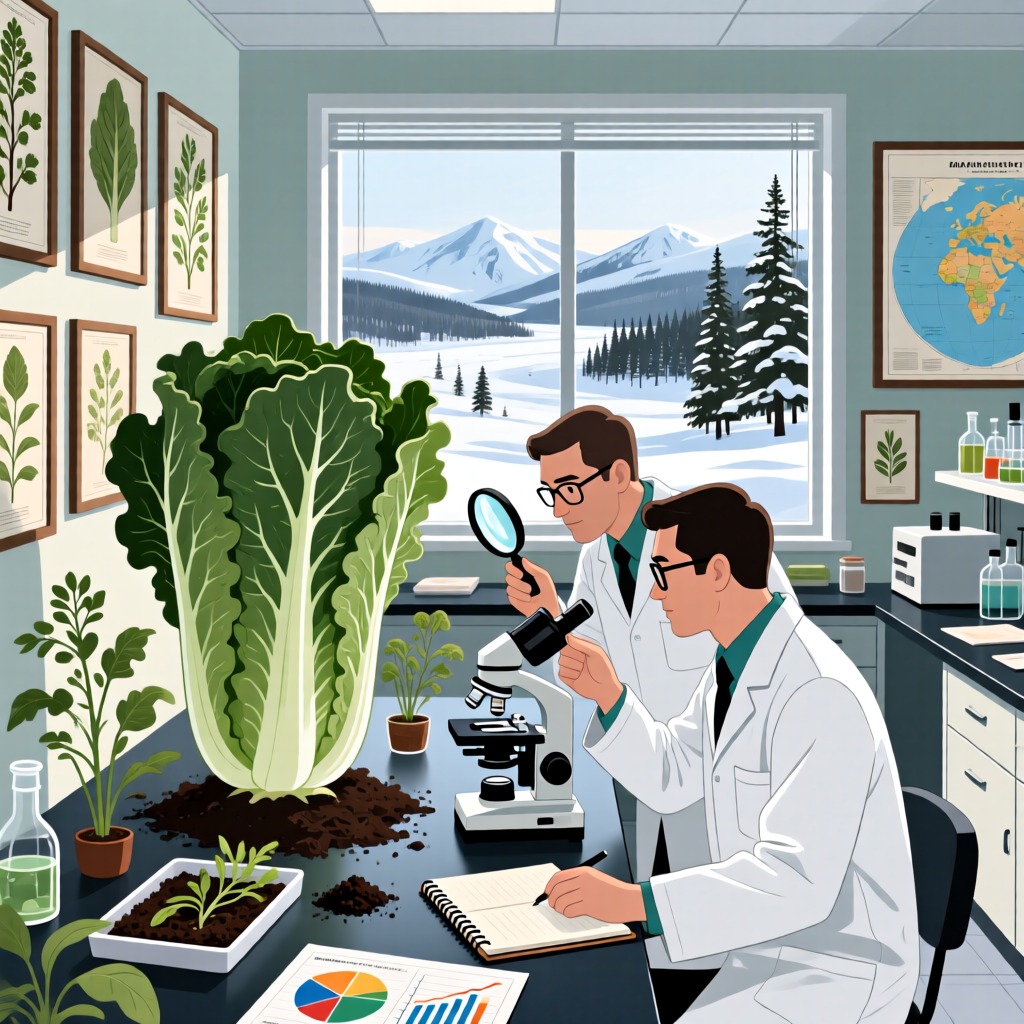

The Giant Vegetable Valley, located in the Matana Valley of Alaska, USA, and Sakhalin Island in the former Soviet Union, raises intriguing questions about why vegetables and plants grow to such enormous sizes. Scientists have conducted extensive research to uncover the secrets behind this phenomenon. In these regions, potatoes can reach the size of basketballs, while white radishes can weigh over 20 kilograms, cabbages can even reach 30 kilograms, and peas and soybeans can grow up to 2 meters tall, with grass towering over people's heads. Despite various hypotheses proposed by scientists, such as abundant sunlight and significant temperature differences, none have fully explained this phenomenon.
In Xingshan County, Hubei Province, China, there exists a similar 'blessed land' where rapeseed can be harvested without sowing. Local villagers simply clear the shrubs and weeds from the hillsides, and after burning them in spring, rapeseed naturally grows on the land. This phenomenon has also piqued the interest of scientists, who are attempting to find the scientific basis behind it, but a definitive answer remains elusive.
These peculiar occurrences evoke thoughts of prehistoric plant growth conditions. Research indicates that from 60 million years ago in the Tertiary period to 309 million years ago in the Carboniferous period, plants on Earth grew at an exceptionally rapid pace and reached enormous sizes. This phenomenon bears a striking resemblance to the modern 'Giant Vegetable Valley' plant growth, though the reasons may differ. The modern 'Giant Vegetable Valley' phenomenon likely involves a combination of various factors, while the explosive growth of prehistoric plants may have been due to global environmental conditions.