
For over 1300 years, a tale of an ancient and mysterious creature has circulated around Loch Ness in northern Scotland. This lake, covering an area of 30 square kilometers and reaching depths of up to 230 meters, has long been rumored to be home to a giant beast. Since the 6th century, legends of 'Nessie,' a dinosaur-like creature, have captivated the imagination of many.
On December 22, 1995, a three-year scientific expedition finally unveiled the truth behind the Loch Ness Monster. A joint team of scientists from various countries successfully captured a 20-meter-long, 20-ton Nessie. Research confirmed that Nessie was not a myth but rather the last surviving dinosaur on Earth.
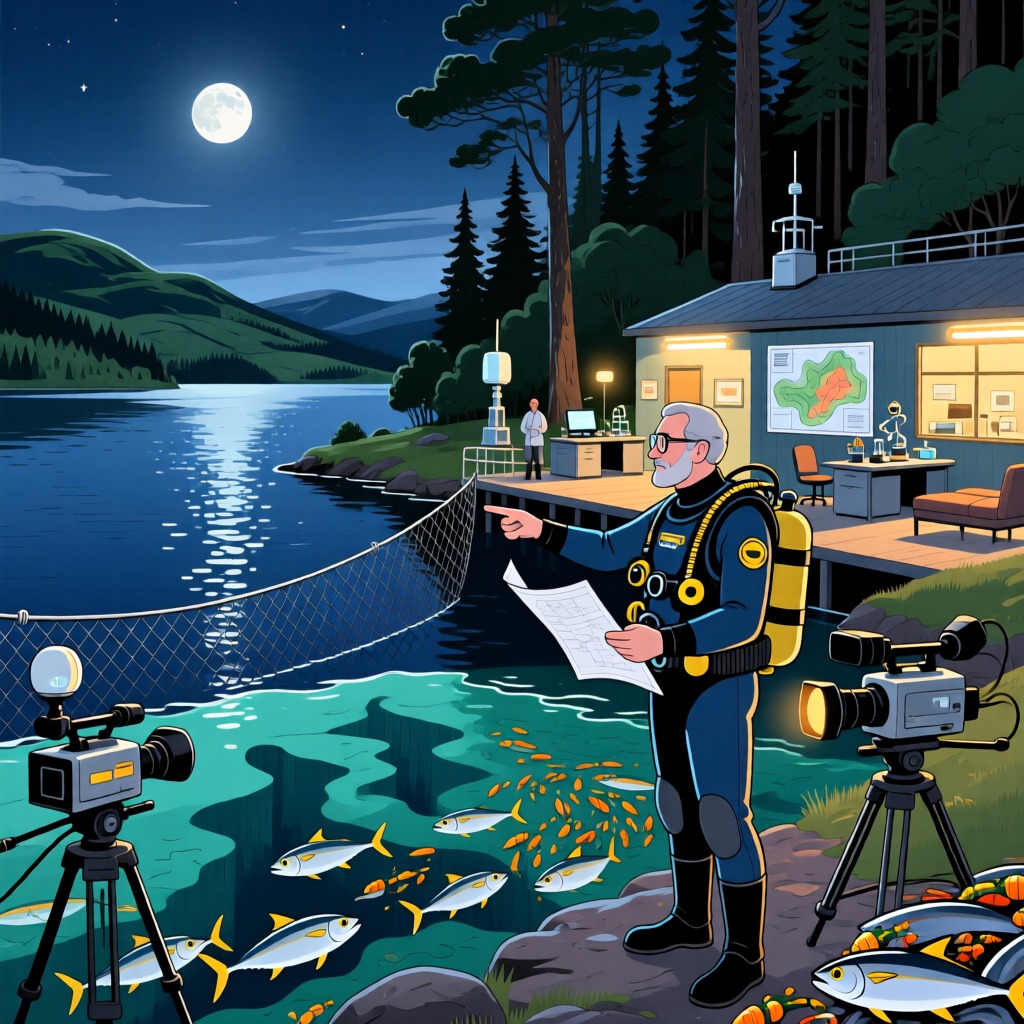
Using advanced sonar technology and imaging equipment, scientists mapped the lake's bottom and set up a massive steel net. After months of effort, on December 22, 1995, Nessie fell into the scientists' trap. This capture not only marked a significant breakthrough in scientific history but also reshaped our understanding of dinosaur extinction.
The discovery of the Loch Ness Monster not only confirmed ancient legends but also provided new clues for paleontological research. Scientists hope that further studies will unveil more secrets about the extinction of dinosaurs.