
In mythology, many deities are said to possess a third eye, a mystical eye located above the forehead that can see all. However, humans are not the only ones who can have such abilities; in fact, we too possess a third eye, albeit one that has regressed and is hidden deep within our brains, known as the pineal gland. This secret lies deep within our bodies, revealed only through scientific exploration.
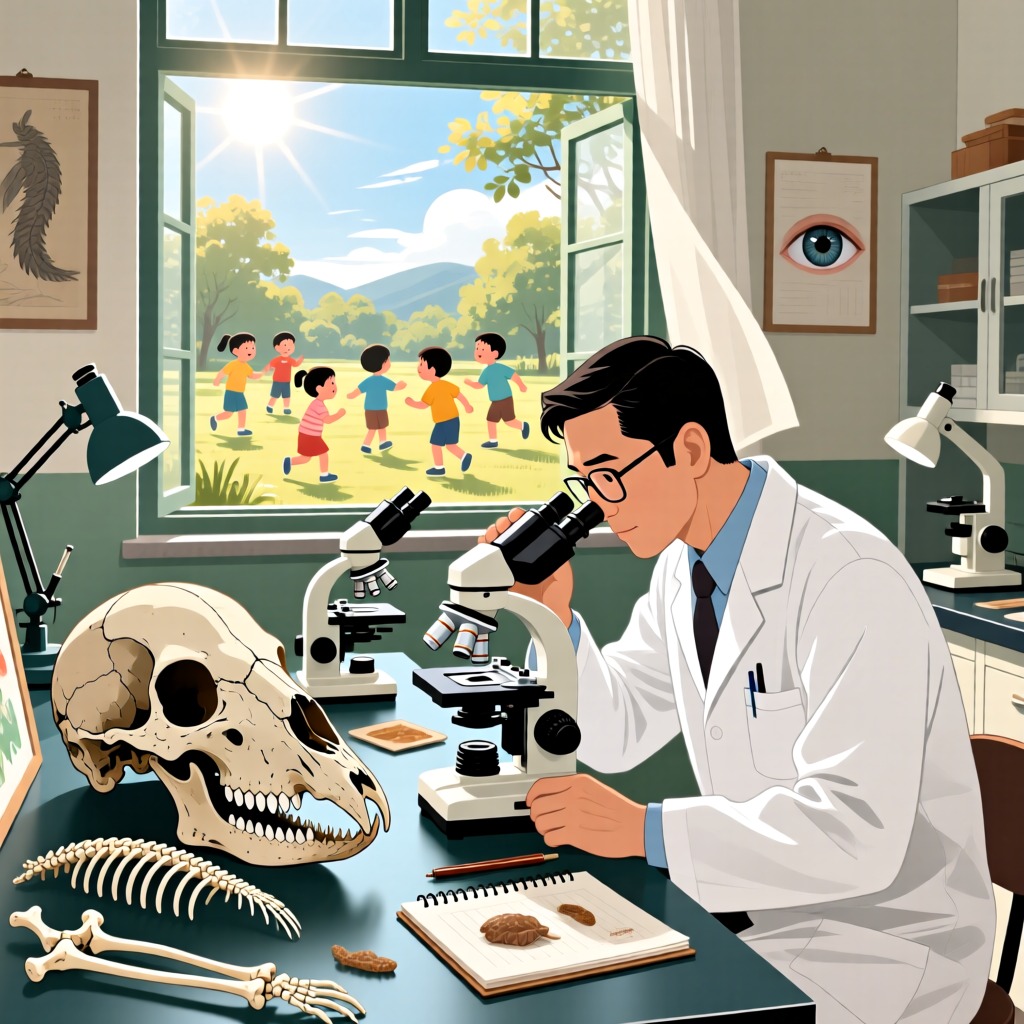
Ancient Greek scientist Orville discovered traces of a third eye socket while studying the giant pangolin, causing a stir in the biological community. Subsequently, scientists around the world began researching this phenomenon and found that nearly all vertebrates, including fish, amphibians, reptiles, birds, mammals, and even humans, have a third eye. However, in humans, this third eye has long since regressed into the pineal gland, which plays a crucial role in the brain and has a subtle connection to sunlight.
The pineal gland is highly sensitive to sunlight. When the sun is bright, it reduces the secretion of melatonin; on cloudy days, it secretes more melatonin. These hormones can regulate the levels of other hormones in the body, affecting our physiological state and emotions. Therefore, changes in weather can influence a person's mental state; on sunny days, people often feel more energetic, while on rainy days, they may feel fatigued and weak. It is astonishing how this small gland can so precisely regulate our bodily functions.