

When we talk about the deadliest diseases in the world, we are not referring to cancers that threatened human health in the 1970s or AIDS, which was recognized as a 'super cancer' by the medical community in the 1980s. Instead, we are discussing diseases that are even more dangerous. Currently, the international medical community categorizes Lassa fever, Marburg disease, and Ebola hemorrhagic fever as the three most dangerous infectious diseases, representing a new attack from nature's evolving viruses on humanity.
Lassa fever was first discovered in a small village called Lassa in Nigeria, which is how it got its name. Initially, patients experience severe back pain, which then spreads to the chest, accompanied by a rise in body temperature, yellow pustules in the mouth, a significant drop in white blood cell count, blood clotting issues, and ultimately death due to respiratory failure. In 1969, an American nurse quickly died after contracting Lassa fever at a church hospital in northern Nigeria, and two nurses who attempted to save her also succumbed. Researchers found that the virus resembles a tennis ball and is covered with fine hairs, making it particularly frightening. Despite isolation measures, the virus continued to spread, leading to more infections. Alarmingly, Lassa fever can affect almost all organs in the human body, causing various symptoms, with a mortality rate ranging from 36% to 67%.
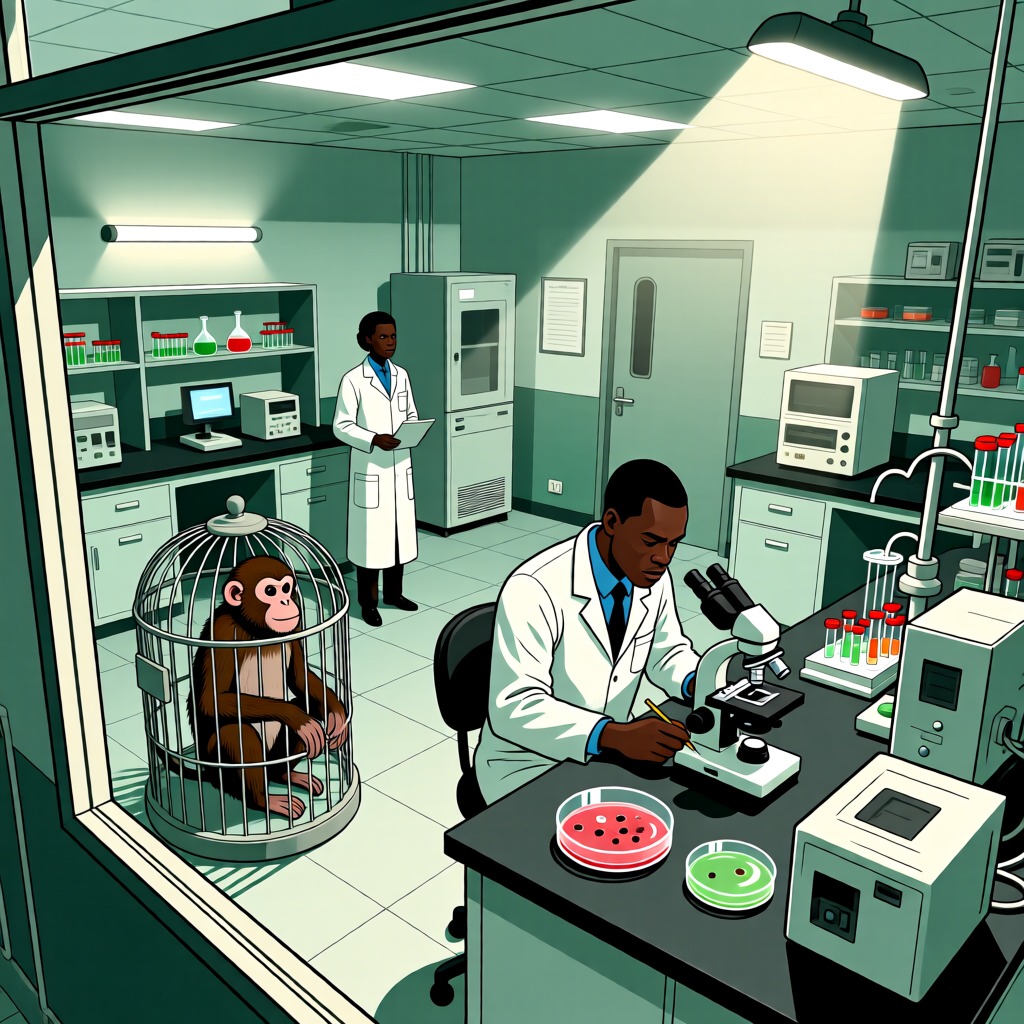
In addition to Lassa fever, there are two other infectious diseases that require further study: Marburg disease and Ebola hemorrhagic fever. In 1967, laboratory workers in Frankfurt, West Germany, and Belgrade, Yugoslavia, contracted Marburg disease, leading to several fatalities among the staff. In 1976, outbreaks of Ebola hemorrhagic fever occurred in southern Sudan and Zaire, resulting in hundreds of deaths. Both of these viruses are transmitted from monkeys and rodents found in Africa. The medical community has not yet fully understood the characteristics of these viruses, and further research is necessary to mitigate their threat to human health.
