
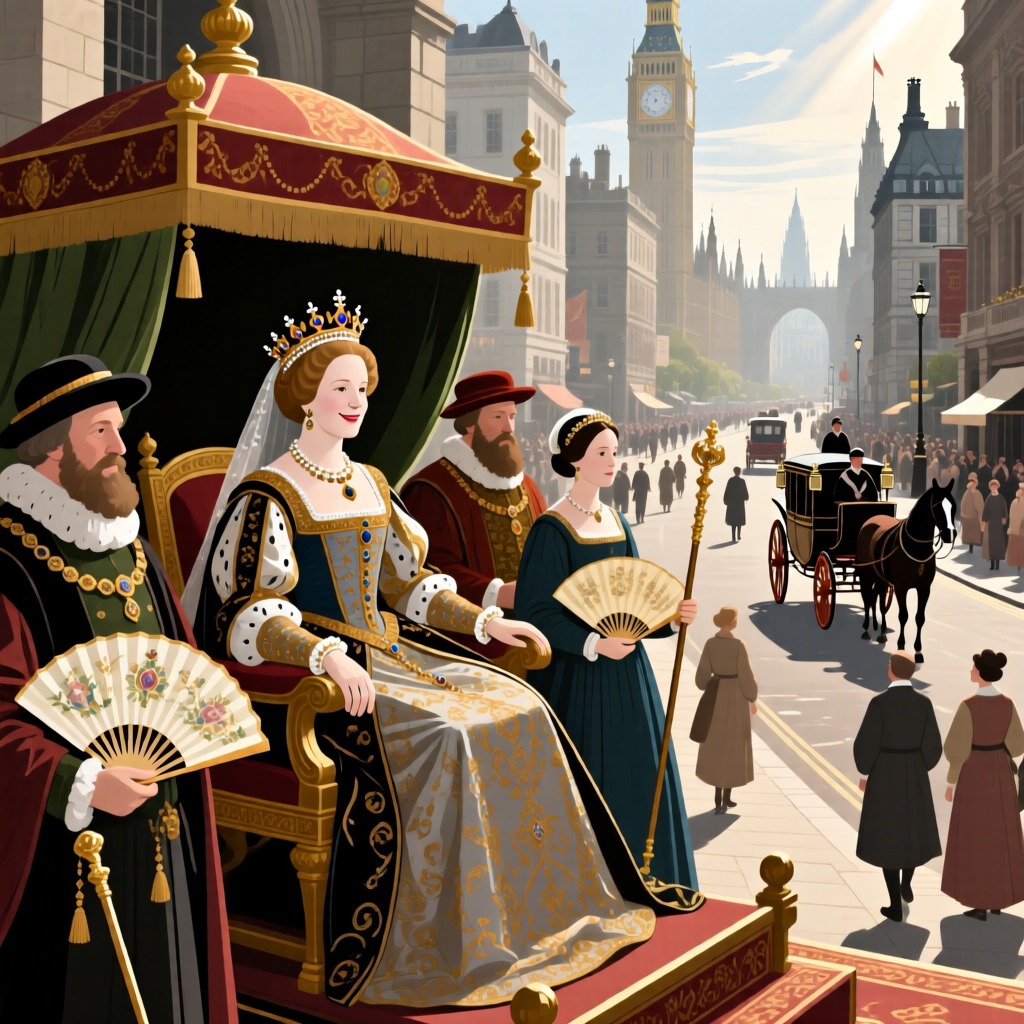

Queen Elizabeth I was the last remarkable monarch of the Tudor dynasty, ruling from 1558 to 1603, during which time England reached its zenith of power. She established the Church of England, maintained political stability, fostered economic growth, and achieved maritime supremacy, expanding her influence abroad. However, her lifelong decision to remain single remains a puzzling mystery to many.
Born in 1533, Elizabeth was the daughter of Henry VIII and Anne Boleyn. After her mother was executed, Elizabeth endured significant hardships during political turmoil. Upon the death of Queen Mary in 1558, Elizabeth ascended to the throne. She was a beautiful queen, attracting the attention of many European nobles. Despite her ministers urging her to marry for the sake of securing the throne, Elizabeth consistently refused, choosing to remain unmarried.
Elizabeth initially turned down a marriage proposal from King Philip II of Spain, as Spain was a Catholic nation and she did not want to provoke religious conflict. Later, the Duke of Anjou from France proposed to her, and they shared a mutual attraction for a time, but ultimately, Elizabeth prioritized the interests of her country and declined the marriage. She stated that her mission was to share the fate of all her subjects rather than to marry a single individual.
The reasons behind Elizabeth's lifelong singleness vary; some believe her childhood traumas instilled a fear of marriage, others suggest she was averse to the idea of intimacy, and some think she wanted to avoid power struggles. Regardless, her choice to remain unmarried has led her to be famously known in history as the "Virgin Queen."