
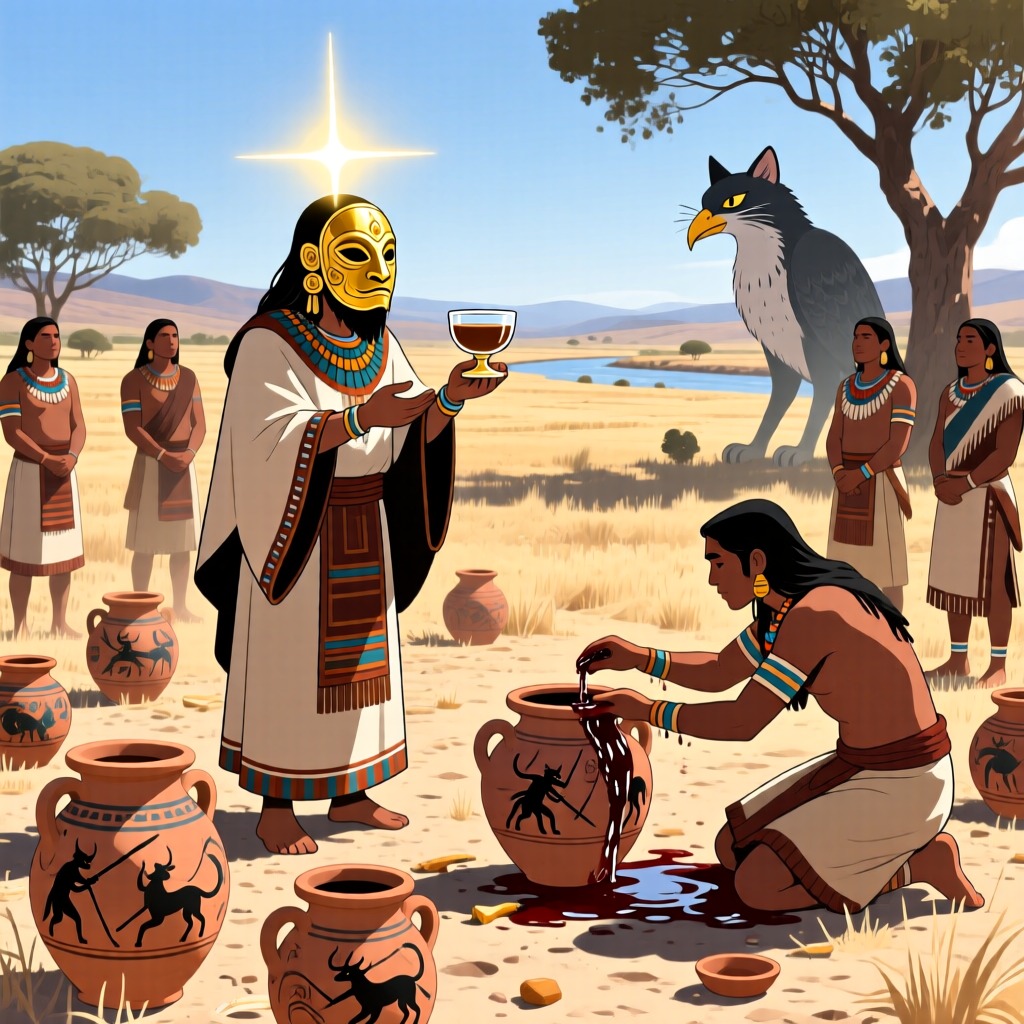

The Moche people's lives are filled with mystery and the unusual. They had no written language, yet they told stories and depicted daily life through their pottery. These uniquely shaped vessels evoke both strangeness and curiosity. The Moche had a distinctive obsession with sexual behavior, as their pottery intricately illustrated various acts, notably excluding any that could lead to pregnancy. Some archaeologists speculate that this may have been a way to promote methods of contraception.
The Moche thrived in the Viru River valley of northern Peru, an area that was once arid and barren. However, buried within it are the astonishing secrets of the Moche, dating back over two thousand years. They held unique beliefs about death, convinced of the possibility of rebirth, which led to the creation of elaborate funeral rituals. Archaeologists have uncovered numerous grave goods, including pottery, beads, textiles, and gold ornaments, indicating their deep reverence for the afterlife. In some tombs, a hollow vine was found inserted into the deceased's mouth, allowing relatives to continue providing food for the dead.
The Moche's pottery not only recorded daily life but also revealed their religious beliefs and social customs. The vessels depict rituals, scenes of battle, and hunting, reflecting their vibrant existence. Some pottery features designs of half-human, half-bird figures or felines, as well as depictions of homosexual acts, showcasing the unique aspects of Moche culture.
The Moche civilization reached its peak between 100 and 700 AD but ultimately vanished mysteriously. While their pottery offers invaluable historical insights, many mysteries surrounding the Moche people remain to be unraveled.