
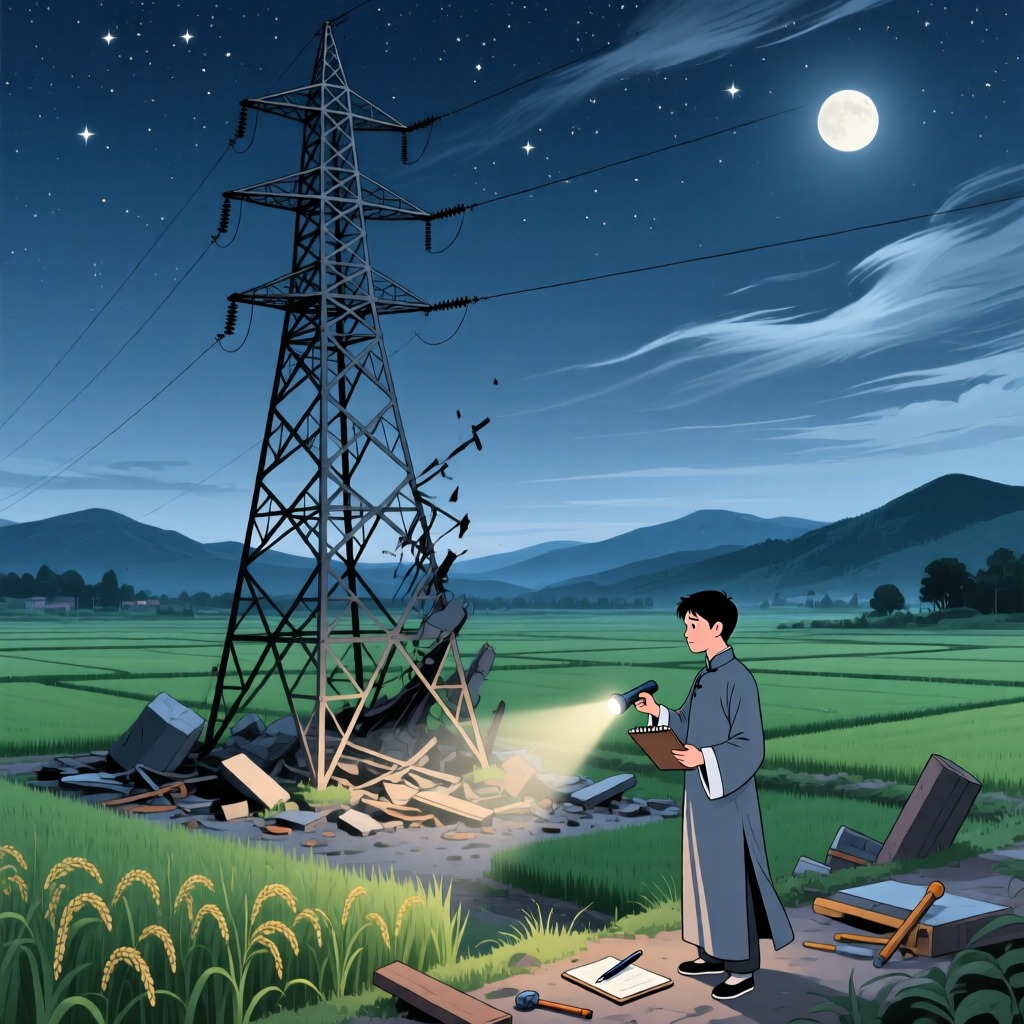

Winds are a common phenomenon in nature, yet they can also transform into invisible specters that trouble humanity. One such wind, known as the "ghost wind," is actually a dust devil that changes direction when encountering obstacles, swirling up dust and debris. Another type, called the "föhn wind," can ignite materials and cause fires, particularly during dry seasons. Föhn winds first appeared in the Alpine region, but similar winds exist worldwide. The formation of these winds is related to mountains; when air flow is obstructed, föhn winds can cause sudden temperature increases, damaging crops and forests. In 2002, a föhn storm struck Austria, causing significant destruction.
Among the family of strange winds, there is also the extreme "bora wind," which can instantly freeze ships into icebergs or even sink them. Bora winds are caused by pressure differences between land and sea, and they are incredibly powerful. While these strange winds are indeed unique, typhoons pose a far greater threat. Typhoons form over tropical oceans, bringing intense storms and heavy rainfall that can destroy buildings, flood crops, and threaten maritime operations and navigation. Tornadoes, on the other hand, are the terrifying manifestations within typhoons, with destructive power far surpassing that of typhoons, having caused severe damage in areas like Pudong, Shanghai.
However, not all strange winds are harmful. Scientists have discovered that certain gentle breezes can also bring benefits. For instance, the "chinook wind" can provide warmth that promotes plant growth, allowing areas unsuitable for certain crops to be improved. Designers need to pay more attention to the destructive power of gentle breezes to ensure the safety of buildings. By studying and harnessing these strange winds, humanity can better cope with the challenges they present.