
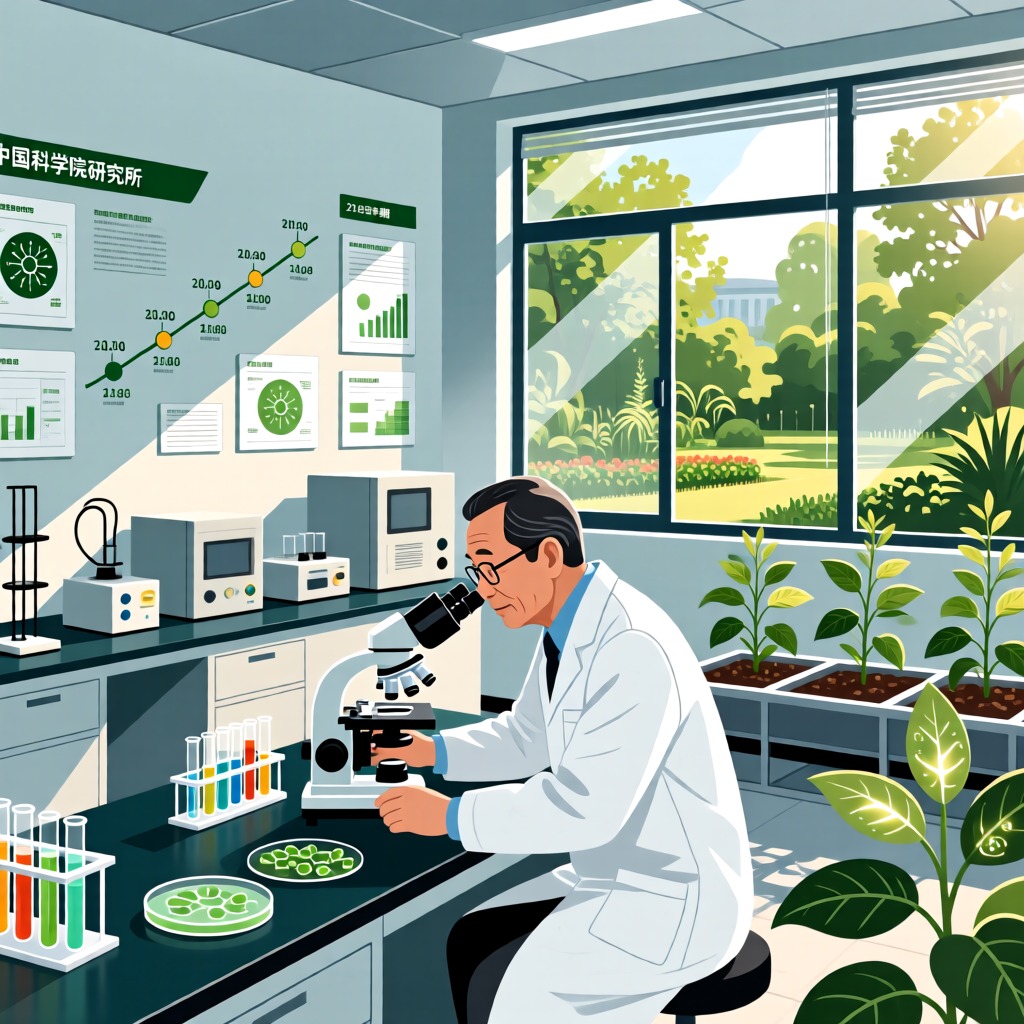

Photosynthesis is one of the most crucial chemical reactions on Earth. While it may seem simple, it conceals numerous mysteries. Since the 19th century, scientists have uncovered its basic processes, yet many enigmas remain unsolved. Photosynthesis is not only vital for plant growth but also essential for human survival and development. It is closely linked to food security, environmental protection, and even the development of new energy sources, making it a hot topic in 21st-century scientific research.
The efficiency of photosynthesis is astonishing. In the photosynthetic membrane system, the entire process, from light energy absorption to energy conversion, takes merely one trillionth of a second. This process is not only rapid but also extremely efficient. However, scientists have yet to fully understand the molecular mechanisms behind it. Unraveling this mystery may depend on more advanced technological tools and methods. Currently, researchers are investigating the evolutionary pathways of different photosynthetic microorganisms, hoping to find answers at the genomic level.
The origin of photosynthesis is also an unsolved mystery. Professor Robert, a biochemist from the United States, and his team are exploring the evolutionary pathways of photosynthesis by analyzing the genomes of various bacteria. They have discovered that photosynthesis does not follow a simple evolutionary path but is a fusion of different evolutionary routes. This understanding not only aids in comprehending the evolution of life but also opens possibilities for future artificial modifications of microorganisms.
In China, a research team led by Academician Kuang Tingyun has made groundbreaking progress in the extraction of membrane proteins and the determination of their three-dimensional structures. They successfully extracted the LHC-Ⅱ membrane protein, laying a solid foundation for in-depth studies of the mechanisms of photosynthesis. This achievement marks China's advancement to the forefront of this field on a global scale.
The secrets of photosynthesis are far from being revealed. Scientists continue their relentless exploration, hoping that one day they will be able to simulate this process and directly obtain food from factories, thereby transforming human production and lifestyles.