
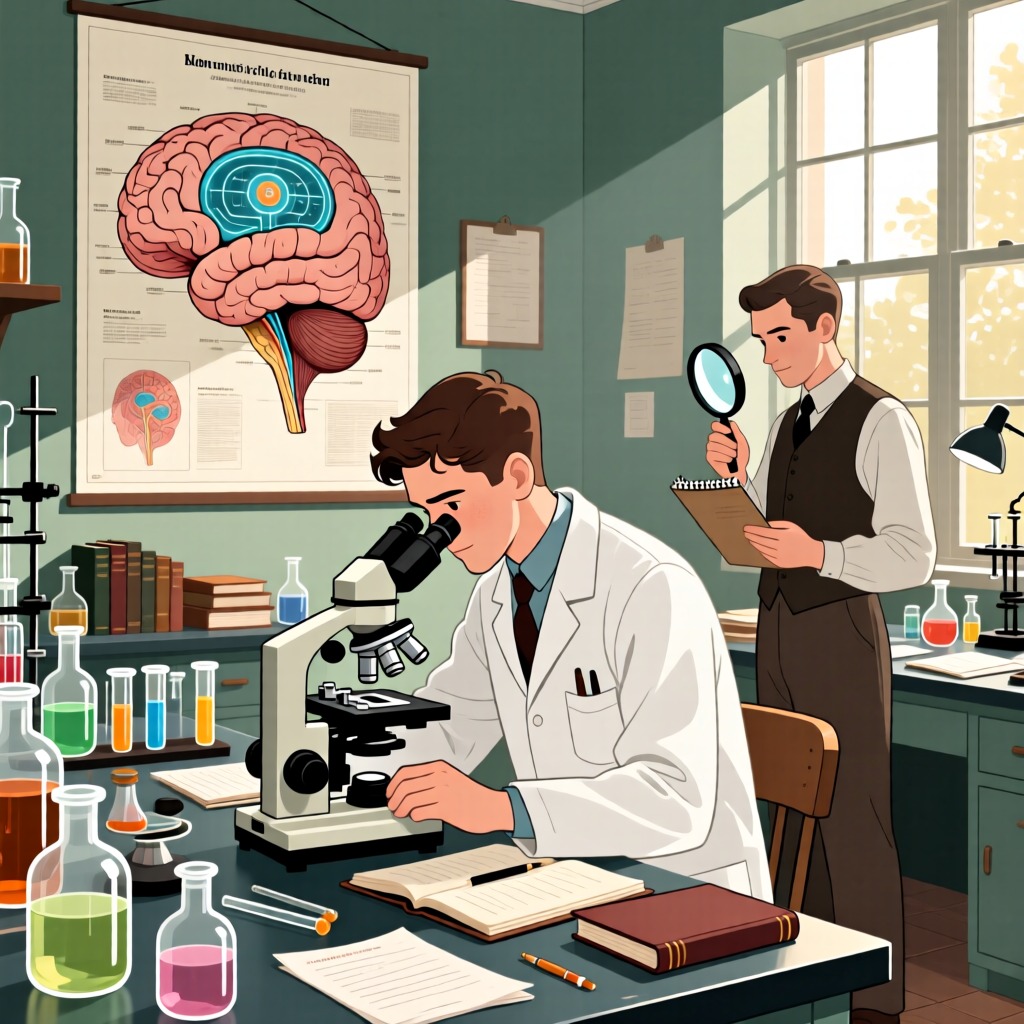

Memory is the knowledge and experiences stored in the brain. In movies, people often fantasize about transferring one person's memories into another's brain through some device. But can this imagination become a reality? Historically, scientists have conducted numerous experiments to unravel this mysterious puzzle.
Dutch chemist David conducted memory transplantation experiments on mice. He isolated certain memory substances from one mouse's brain and transferred them into another mouse's brain. The results showed that the recipient mouse's memory and sensory abilities changed. This discovery sparked widespread interest and excitement among scientists.
As early as 1978, former West German biologist Martin began experimenting with brain transplants in bees. He selected two trained bees and injected a portion of their neural material into the nervous system of an untrained bee. Miraculously, the recipient bee began to exhibit the same habits and behaviors as the trained ones, proving that memories can indeed be transplanted.
These successful experiments indicate that memory transfer can be realized on a material basis and exchanged between different brains. Although it is currently impossible to directly extract memory substances from one person's brain and implant them into another's, scientists have discovered alternative methods, such as recording a person's brain activity and then inputting that data into another person's brain through a device, enabling knowledge sharing.
Memory transplantation is not only a scientific challenge but also a test of human understanding of cognition. This research will help us better comprehend the brain as a mysterious vessel of consciousness and advance the development of life sciences.