The mystery of Van Gogh: mental illness and artistic pursuit.
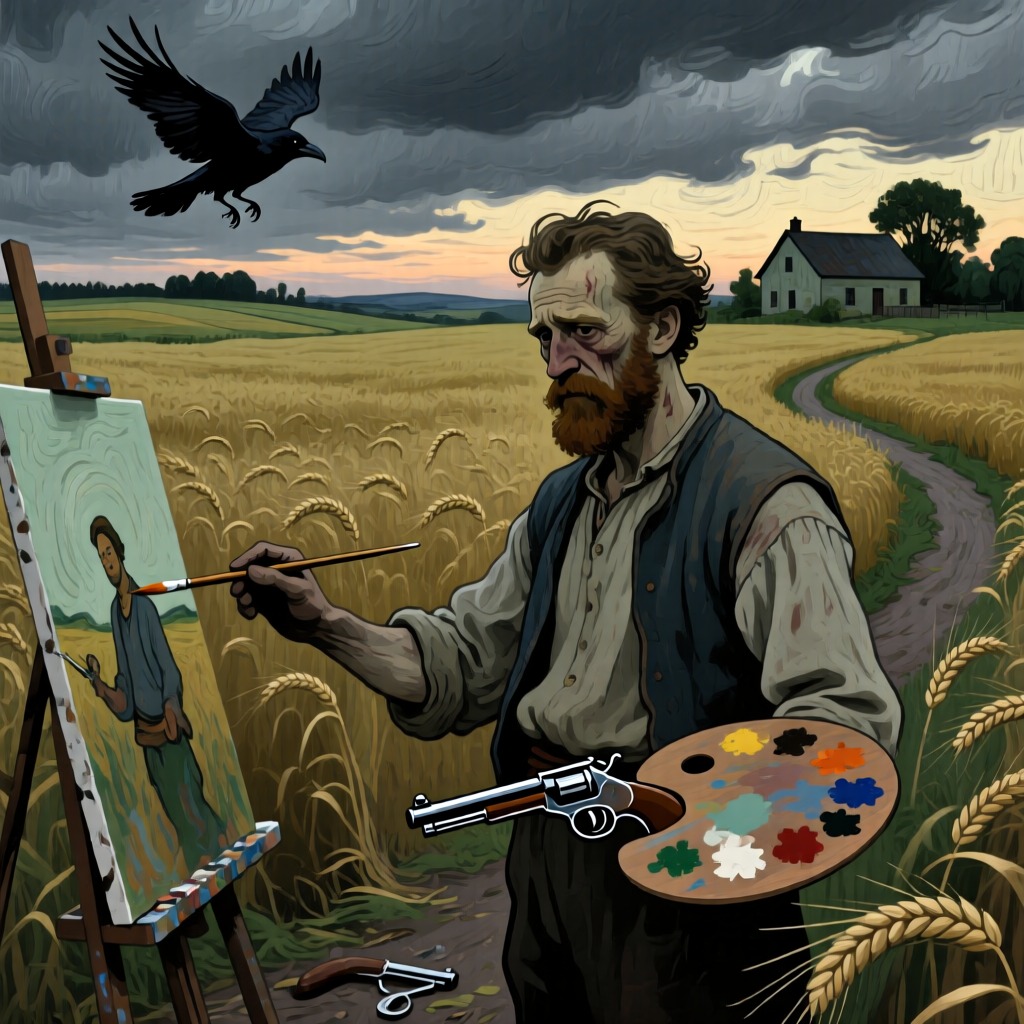
Vincent van Gogh, a prominent figure in modern Impressionist painting, led a life filled with hardships. He was tormented by poverty, illness, hunger, and a lack of understanding regarding his creative endeavors. On June 29, 1890, under extreme mental pressure, Van Gogh took his own life at the age of 36. His suicide was not merely a result of mental illness, but rather a culmination of various factors. The medical community suggests that his unhealthy lifestyle and neurological disorders were significant contributors. Meanwhile, the art world believes that the dual impact of societal pressure and mental illness was the fundamental reason for his tragic end.
Van Gogh's life was marked by contradictions and struggles. He yearned to express his inner emotions through painting but received little recognition and support in the societal context of his time. His works, such as "Sunflowers" and the self-portrait "Self-Portrait with Bandaged Ear," profoundly reflect his inner pain and despair. These pieces not only showcase Van Gogh's artistic talent but also reveal his complex mental state.