
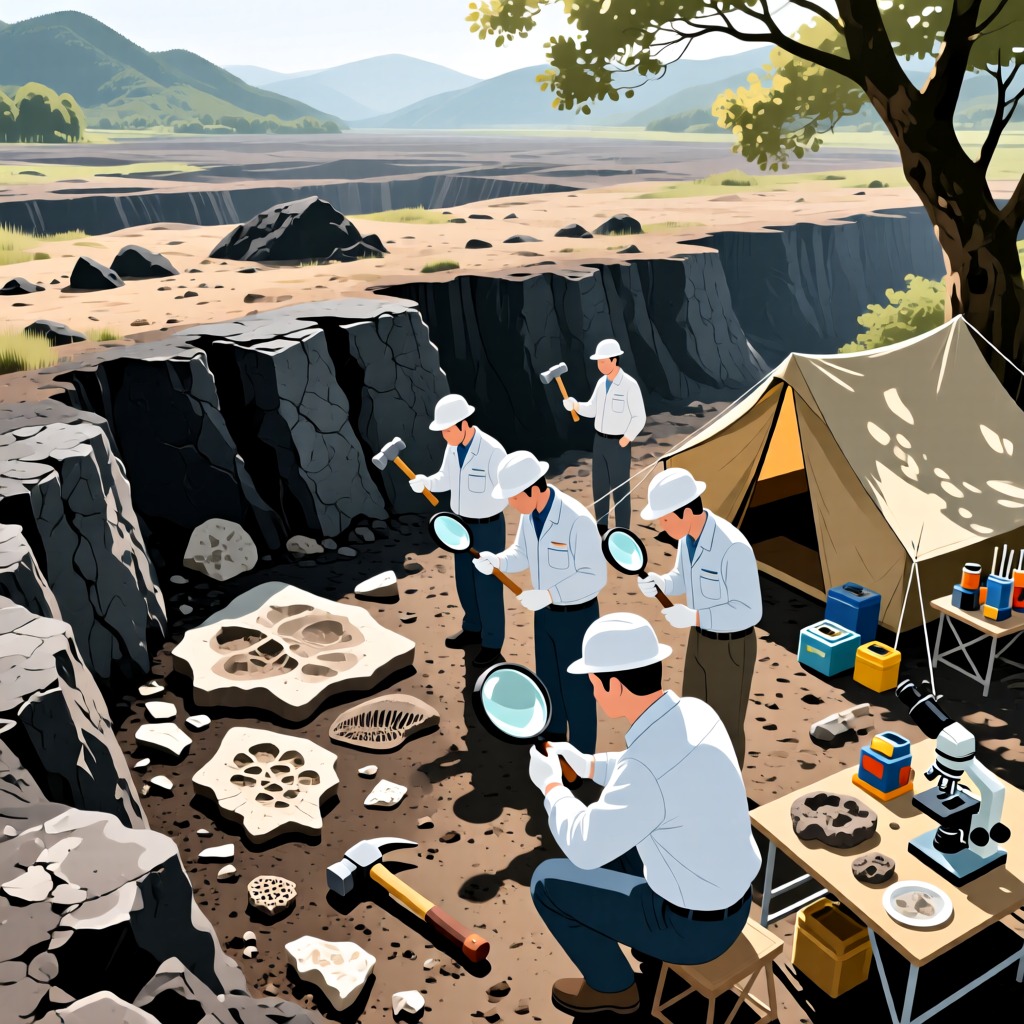

250 million years ago, Earth experienced an unprecedented mass extinction, with over 90% of marine life and 70% of terrestrial species vanishing. For a long time, scientists have sought to uncover the truth behind this event. Recent research indicates that this extinction was not gradual but rather a sudden catastrophic event. Scientists found that during the transition from the Permian to the Triassic period, the extinction rate surged to 94%, occurring within just 500,000 years.
Researchers speculate that this mass extinction may be linked to large-scale volcanic eruptions and extraterrestrial impacts. Studies show that most species disappeared from the fossil record around 251 million years ago, and the surviving organisms gradually went extinct over the next million years. These findings raise an important question: what caused such drastic changes in life? This extinction event not only marked the end of a thriving era but also ushered in the age of reptiles.
Although scientists are still investigating the specific causes of the extinction, researchers have begun to focus on the process of life recovery afterward. They hope that through their studies, they can reveal the nature of the surviving organisms and how they repopulated after the disaster. Understanding this process is crucial for grasping the history of life.